The Ford F-150 is built to handle commuting, towing, jobsite use, family travel, and years of daily driving. That versatility is one reason so many are on the road. It also means two trucks with the same mileage may have lived very different lives. One may have spent most of its time on the highway, while another has hauled tools, pulled trailers, idled for hours, or traveled over rough roads.
F-150 problems also vary by model year, engine, transmission, and equipment. Still, several complaints appear regularly as these trucks age. Recognizing the early symptoms can help you schedule repairs before a small leak, noise, or shifting concern turns into a larger failure.
Engine Misfires And Rough Acceleration
An F-150 that shakes, hesitates, or loses power under acceleration may have an engine misfire. Worn spark plugs and weak ignition coils are common places to begin testing, especially when the symptom becomes stronger while climbing a hill, towing, or merging onto the highway.
Fuel injector concerns, vacuum leaks, low fuel pressure, compression problems, and sensor faults can create similar behavior. A stored misfire code identifies the cylinder where the computer noticed trouble, but it does not automatically identify the failed part. Coil testing, plug inspection, fuel trim data, and mechanical checks are often needed to find the actual cause.
Timing System And Startup Rattle Concerns
Some F-150 engines develop a brief rattle after startup or a more persistent noise from the front of the engine. Depending on the engine, worn timing chains, guides, tensioners, or camshaft timing components may be involved. The sound may be strongest after the truck has been parked overnight and fade once oil pressure builds.
Oil level, oil condition, and service history are important during this diagnosis because many timing components rely on clean oil at the correct pressure. A growing rattle should not be dismissed simply because the engine quiets down after a few seconds. Continued wear can eventually affect valve timing, performance, and engine operation.
Harsh Shifting Or Delayed Transmission Engagement
Transmission complaints may include a hard shift, delayed movement after selecting drive or reverse, gear hunting, shuddering, or a sudden bump during acceleration. These symptoms can come from fluid condition, software, sensors, solenoids, valve body wear, drivetrain mounts, or internal transmission damage.
The timing of the symptom provides useful clues. Note whether it happens only when cold, after the truck warms up, under light throttle, or while towing. A road test, scan data review, fluid inspection, and check for stored transmission faults help separate an electronic control concern from a mechanical failure.
Coolant Leaks And Rising Engine Temperature
Cooling system leaks can develop around hoses, radiators, water pumps, reservoirs, thermostat housings, fittings, and seals. A small leak may leave dried residue or a sweet smell without creating a large puddle. The coolant level may slowly drop between services while the temperature gauge still appears normal.
A leak that seems minor during short drives can become serious under towing loads, in summer heat, or in heavy traffic. If the heater suddenly blows cold air, the cooling fan runs loudly, or the temperature begins rising, the truck should be stopped and inspected. One overheating event can turn a basic cooling system repair into expensive engine work.
Oil Leaks And Oil Consumption
As F-150 engines age, oil can seep from valve covers, timing covers, oil pans, filter housings, seals, or turbocharger oil connections on equipped engines. Small leaks often begin as damp areas that collect dust before they leave drops on the driveway.
Checking the oil level between services is especially important on higher-mileage trucks. Low oil can affect bearings, timing components, turbochargers, and internal engine parts long before an oil pressure warning appears. Repeatedly adding oil may temporarily keep the level safe, but the source of the loss still needs to be identified.
Brake, Steering, And Suspension Wear
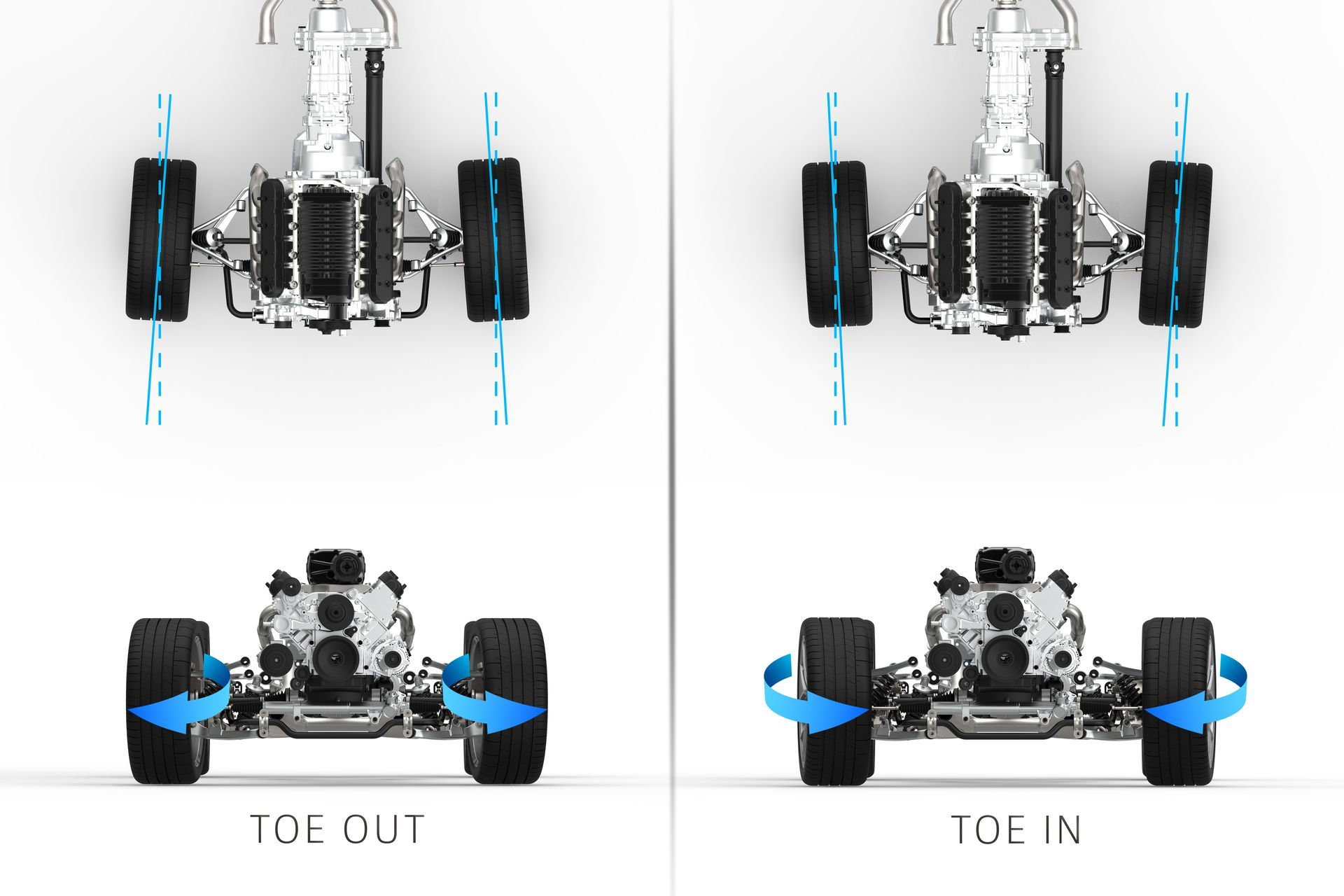
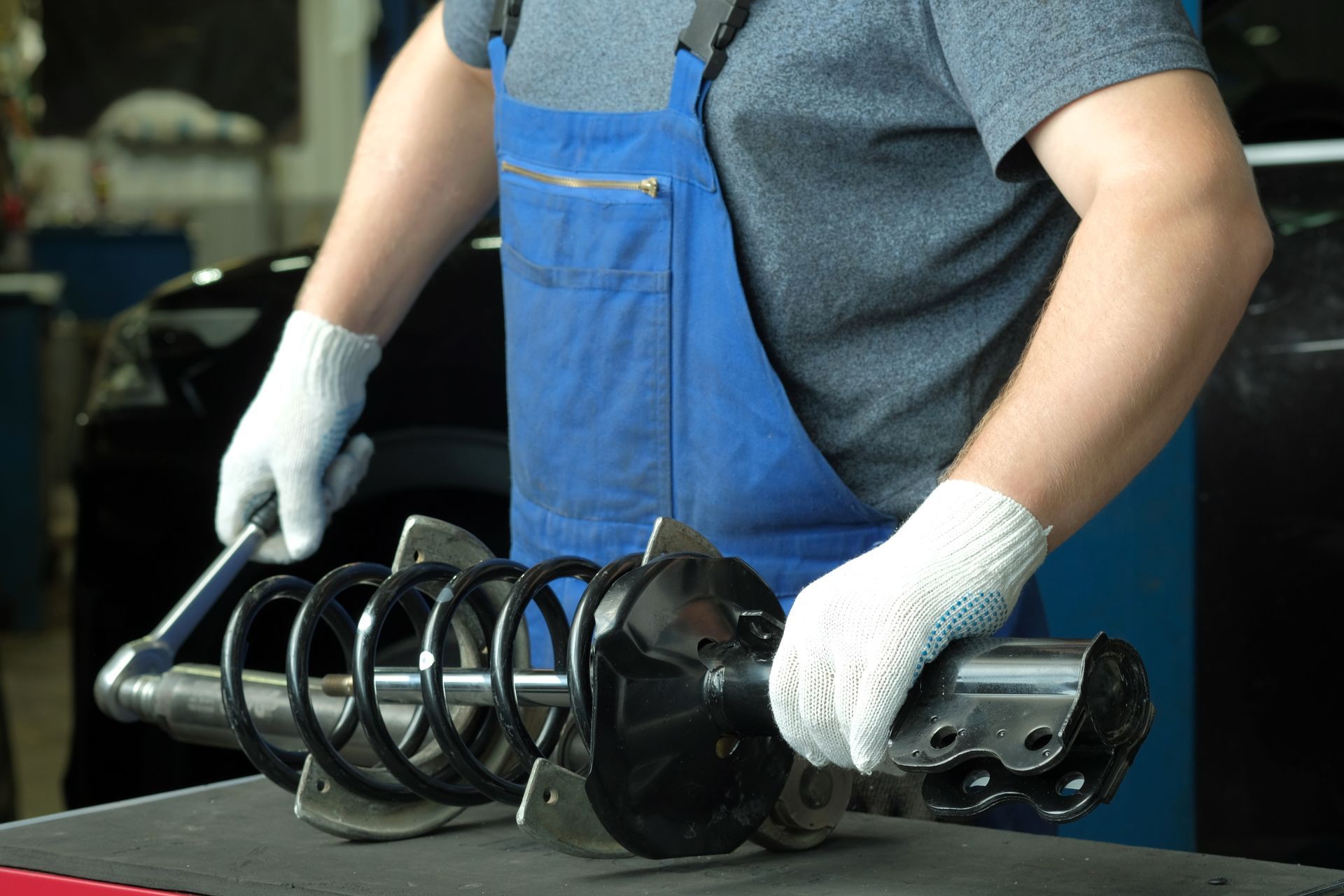
F-150 brakes and suspension parts work especially hard when the truck carries cargo or pulls a trailer. Worn pads, uneven rotors, sticking calipers, weak shocks, loose ball joints, worn tie rods, and tired control arm bushings can change how the truck stops and handles.
Common signs include:
- Steering wheel vibration during braking
- A pull to one side
- Clunks over bumps
- Uneven or cupped tire wear
- Loose steering on the highway
- One wheel becoming hotter than the others
- Excessive bouncing after a dip
These symptoms often overlap. A vibration may involve brakes, tires, wheel bearings, or suspension parts, so all related areas should be inspected together.
Battery And Electrical Problems
A weak battery can cause far more than slow cranking. Modern F-150s depend on stable voltage for engine controls, transmission operation, steering systems, cameras, sensors, accessories, and communication between electronic modules. Low voltage may trigger several unrelated warning messages.
The battery, alternator, cables, terminals, and grounds should be tested as one system. If the battery keeps going dead, the truck may also have an electrical draw after shutdown. Installing another battery without finding the source can lead to the same starting problem returning.
Drivetrain And Four-Wheel-Drive Concerns
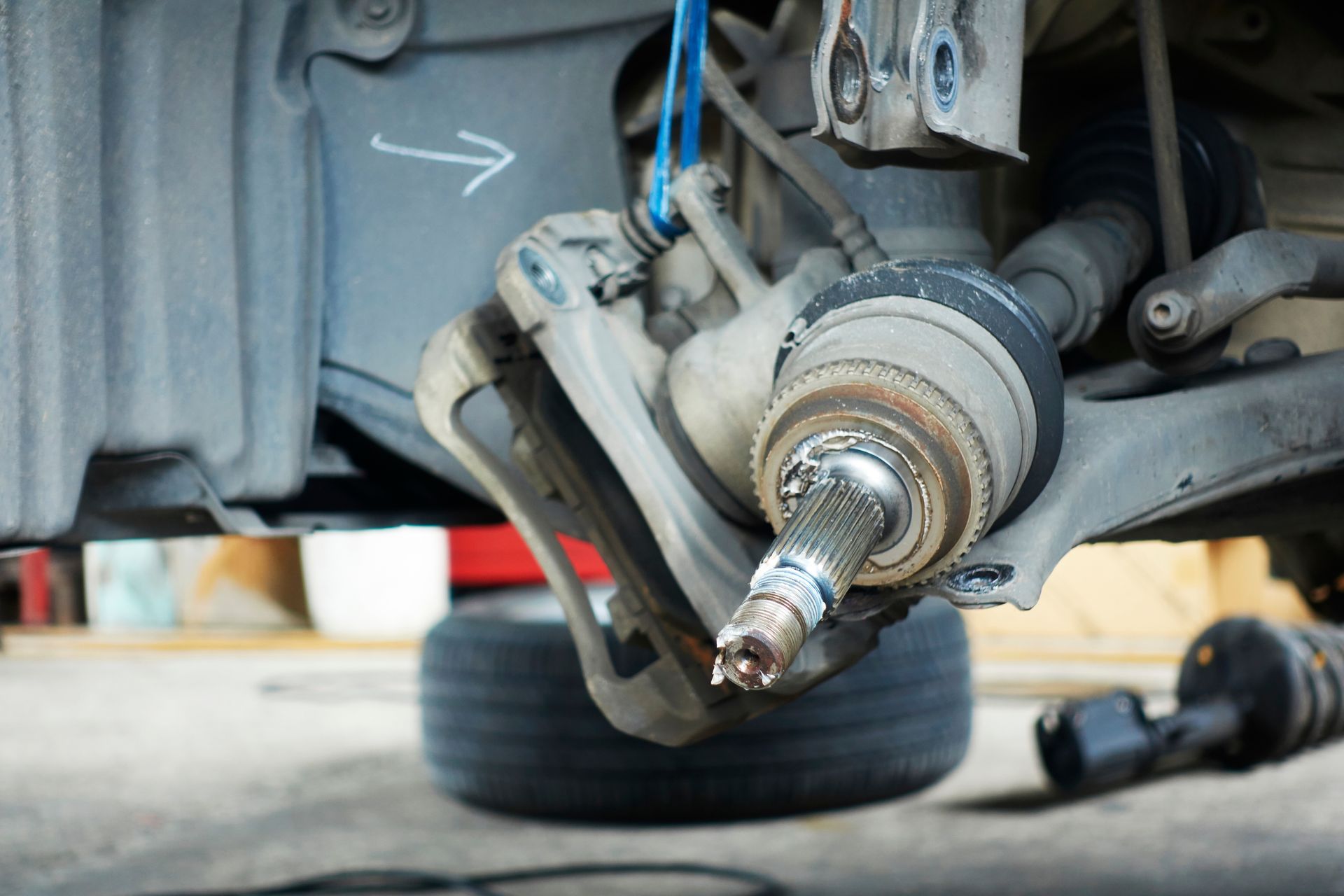
Four-wheel-drive trucks can develop noises, leaks, vibration, or engagement problems involving the transfer case, driveshafts, U-joints, front hubs, axles, or differentials. Drivers may hear a clunk when changing direction, a humming sound with speed, or clicking during turns.
Fluid condition and tire matching are important on four-wheel-drive systems. Large differences in tire size or tread depth can create extra strain through the drivetrain. Regular maintenance should include checking differential and transfer case fluids, seals, axle boots, and driveline joints, especially on trucks used for towing or off-road travel.
Get Ford F-150 Repair In Gaithersburg, MD, With General Automotive Servicenter
If your Ford F-150 is shifting harshly, running rough, leaking fluid, making noise, or feeling less stable than it used to, General Automotive Servicenter in Gaithersburg, MD, can inspect the engine, transmission, cooling system, brakes, electrical system, suspension, and drivetrain.
Contact us to schedule an appointment before an early symptom develops into a more involved repair.