If your car pulls left or right when you’re trying to drive straight, it gets tiring fast. You end up steering against it the whole time, and even a quick errand starts to feel like work.
The tricky part is that a pull can come from several places. Sometimes it’s as simple as a tire issue. Other times it’s brakes, alignment, or a worn suspension part. A few clear clues can help you narrow it down before you schedule service.
Why A Car Pulls In A Straight Line
A pull happens when one side of the vehicle has more resistance or a different rolling path than the other. That might mean one tire has more drag, one brake is grabbing slightly, or the alignment angles are off just enough to steer the car without you wanting it to.
Road shape can play a role too. Many roads are crowned, which means they slope slightly so water drains off. A mild drift to the right can be normal on some roads. A true pull feels stronger and more consistent, and it often shows up on multiple road surfaces.
Tire And Wheel Issues That Create Pull
Tires are the first place to look because they’re the easiest to check, and they cause a lot of pulling complaints. Low pressure on one front tire can create a pull toward that side. Uneven tire wear, a separated tire belt, or a tire with internal damage can also cause the car to steer even if the pressure looks fine.
A good test is a front tire swap from left to right, but only if you can do it safely and your tires are the same size and type. If the pull changes direction after swapping, the tire itself is a strong suspect. In our shop, we’ve seen plenty of vehicles where the alignment was blamed first, but the real problem was a tire that had started to fail internally.
Alignment Problems And Road Crown Confusion
Alignment issues often cause a steady pull that doesn’t care much about speed. You might also notice the steering wheel is slightly off-center when the car is going straight. If the pull started after hitting a pothole or curb, alignment is even more likely.
Toe, camber, and caster angles all affect how the vehicle tracks. Caster differences side to side are a common cause of pulling, and they can be missed if someone only does a quick toe adjustment. If you recently had new tires installed and the car started pulling afterward, the alignment may already have been marginal, and the new tires simply made it more noticeable.
Brake Drag And Caliper Issues That Mimic Alignment
A sticking brake caliper can pull the car toward the side that’s dragging. It can feel like the car wants to wander, and it may get worse after a longer drive once the heat builds. Some drivers notice a burning smell, extra brake dust on one wheel, or a wheel that feels much hotter than the others after driving.
Brake drag also hurts fuel economy and can quickly wear pads and rotors. If the pull shows up most during braking, or if the car feels like it doesn’t want to coast freely, brakes deserve a close look. This is not the kind of issue you want to ignore because it can become a safety concern.
Suspension And Steering Wear That Shifts The Car
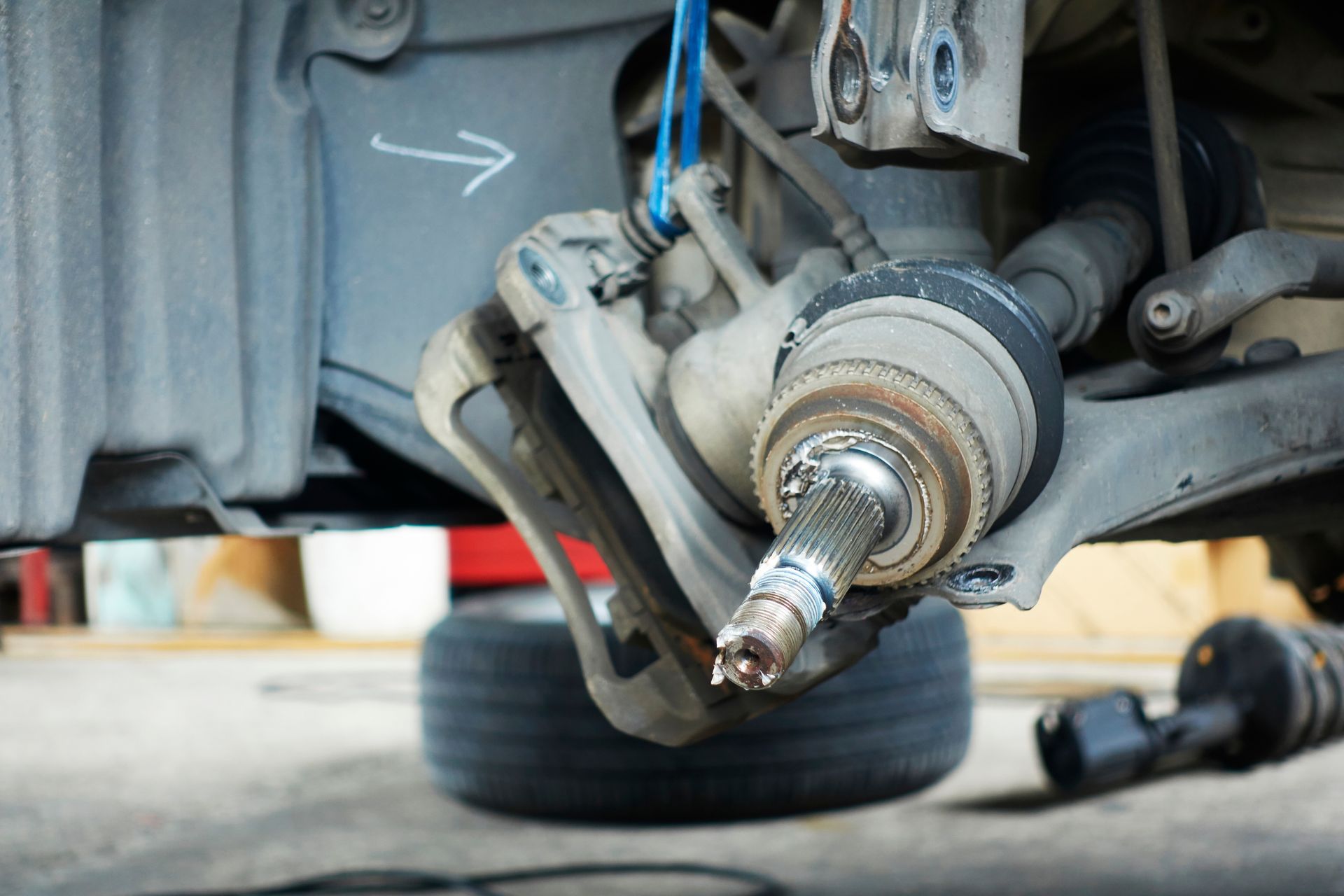
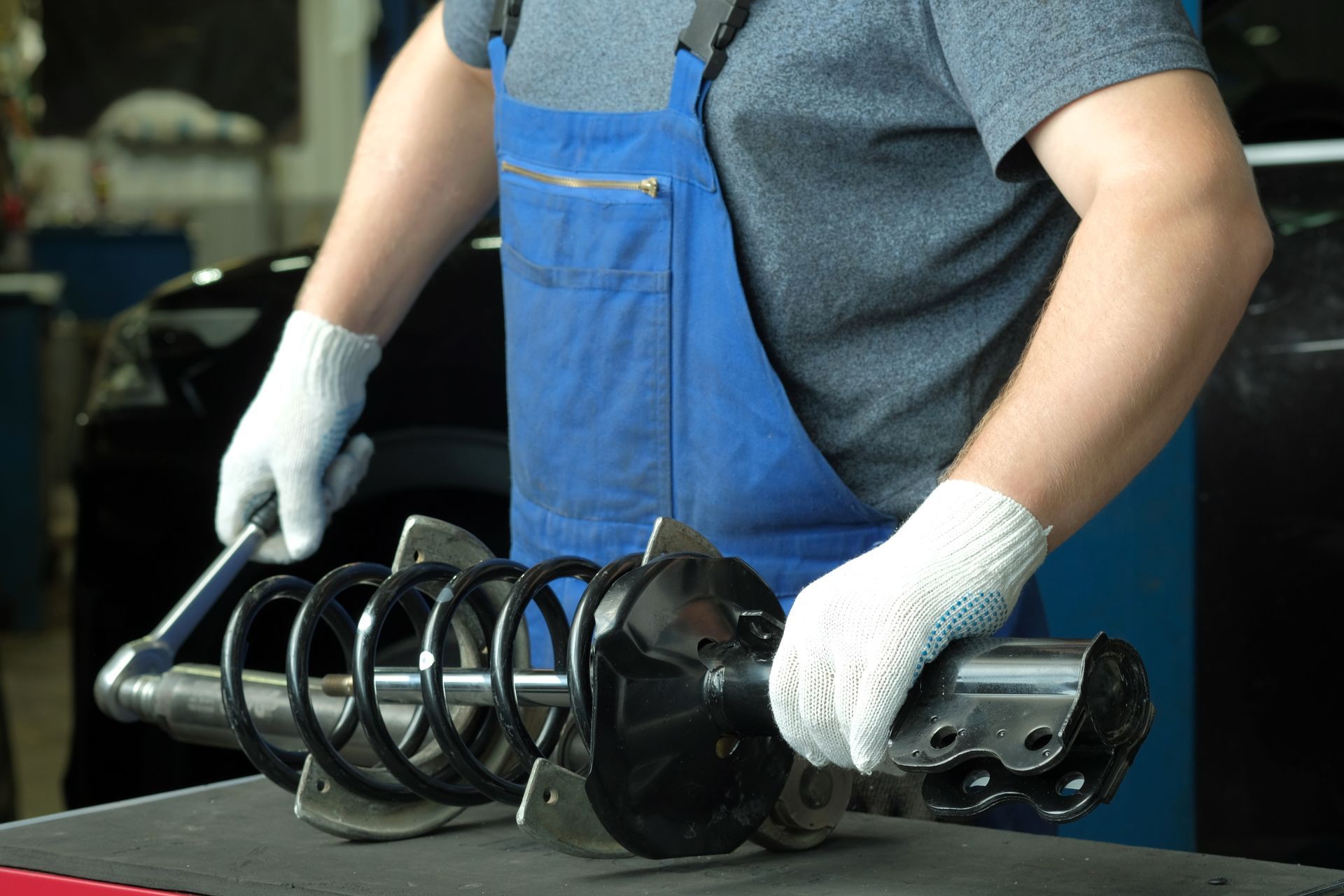
Worn suspension and steering parts can cause pulling because the wheel angles change while you drive. A worn control arm bushing can cause the wheel to shift under braking or acceleration. A worn ball joint or tie rod end can introduce looseness that makes the car wander and pull depending on bumps and load.
You might notice clunks over bumps, uneven tire wear, or a steering feel that changes between low speed and highway speed. If the pull comes and goes depending on the road surface, suspension wear becomes more likely. Our technicians usually check for play under load because some parts feel fine until the suspension is stressed the way it is on the road.
A Simple Decision Guide Before You Book Service
- If you’re trying to describe the problem clearly, focus on what changes it. These quick cues can point your inspection in the right direction.
- If the pull changes direction after swapping front tires left to right, suspect a tire issue.
- If the pull gets worse after a long drive and you smell heat near one wheel, suspect brake drag.
- If the steering wheel sits off-center and the pull is steady on most roads, suspect alignment.
- If the pull shows up mainly during braking or acceleration, suspect suspension bushings or a caliper issue.
- If the car only drifts slightly on certain roads but feels normal on flatter surfaces, the road crown may be part of it.
How To Keep The Car Tracking Straight
Once the root cause is corrected, a few habits can help prevent the problem from recurring. Keep tire pressures checked regularly, especially during big temperature changes. Rotate tires on schedule so wear stays even, and pay attention if you feel a new vibration or see uneven tread early.
Also take pothole hits seriously. One hard impact can knock alignment out or damage a tire internally. If the car starts pulling again after a curb hit, don’t wait for the tires to wear unevenly. Catching it early usually saves money and prevents replacing tires sooner than expected.
Get Steering And Alignment Service in Gaithersburg, MD, with General Automotive Servicenter
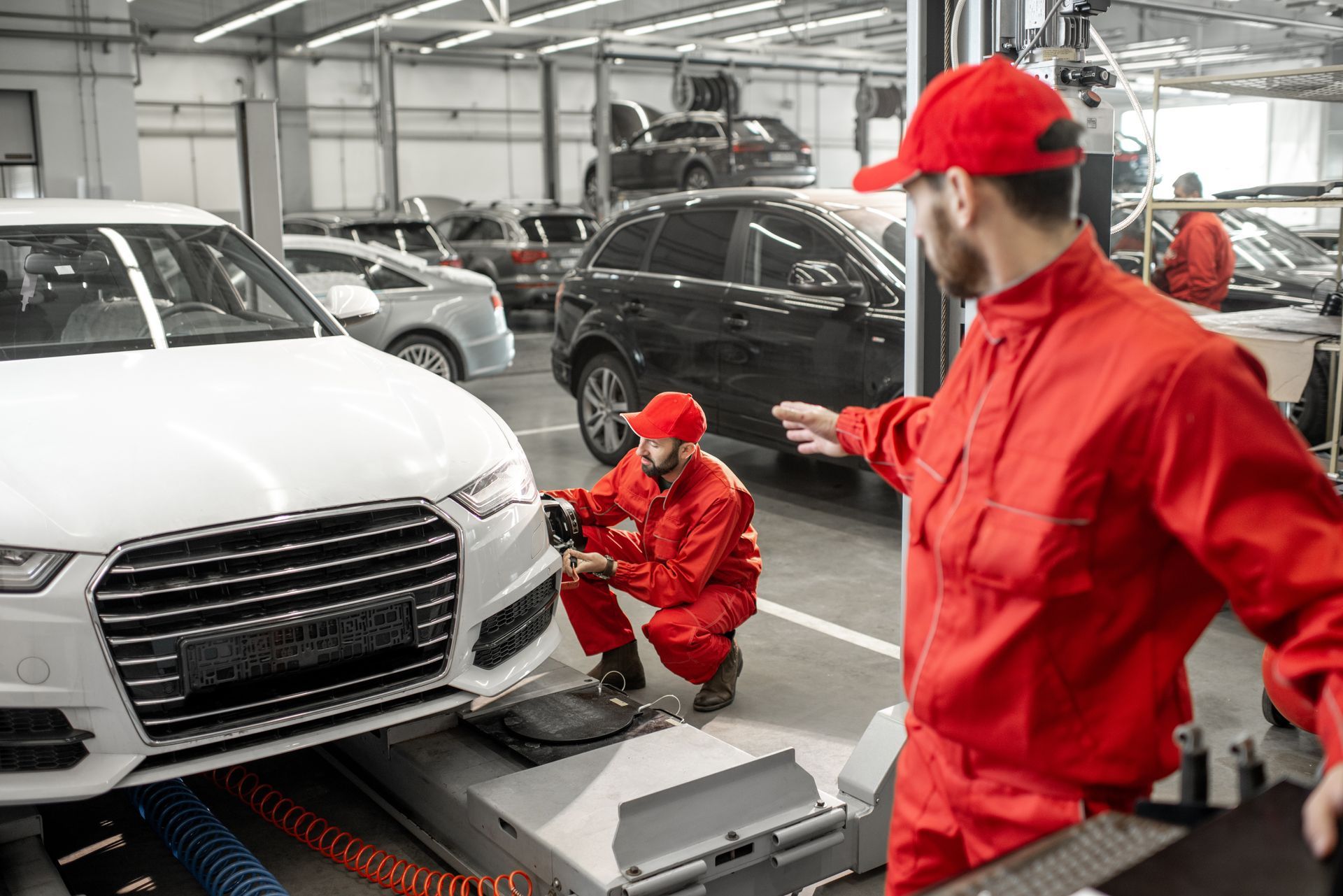
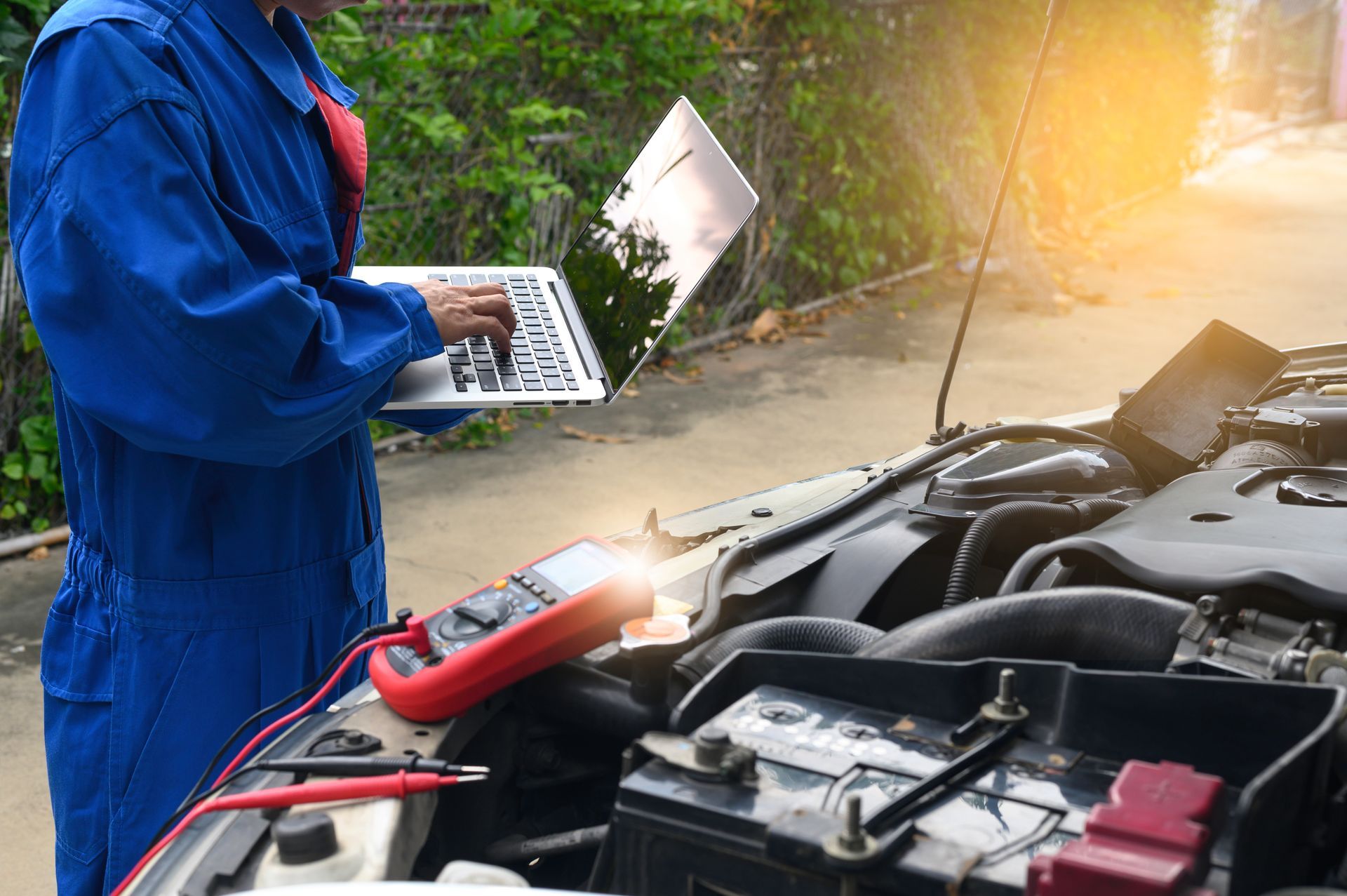
We can inspect tires, brakes, alignment angles, and steering and suspension components to pinpoint what’s causing your vehicle to pull. We’ll explain what we find and recommend the repair that matches the actual cause.
Call
General Automotive Servicenter in Gaithersburg, MD, to schedule an inspection and get your car tracking straight again.