A loose steering feel usually comes from extra play somewhere between your hands and the front tires. Sometimes it’s a worn joint that lets the wheels wander. Other times, it’s a tire or alignment issue that makes the car feel vague even though the steering parts are still tight.
Either way, loose steering is telling you something has changed.
Low Tire Pressure Or Uneven Tire Wear
Underinflated tires flex more, so the car responds slower to small steering inputs and feels less precise. Uneven wear can do the same thing, especially if the tread is feathered or the shoulders are worn differently side to side. You might notice it most on the highway, where the car needs constant little corrections to stay centered.
Start here because it’s quick to verify. Set pressures to the door-jamb sticker when the tires are cold and take a close look at the tread surface. If the wear pattern looks unusual, it often points toward the next causes on this list.
Worn Tie Rod Ends Or Inner Steering Links
Tie rods connect the steering rack to the wheels, and they’re a common source of steering play. When a tie rod end wears, the wheel can shift slightly without the steering wheel moving much, which creates that loose, wandering feel. You may also hear a light clunk over bumps or when turning into a driveway.
Tie rod wear tends to show up in tire wear too. The front tires can develop a scrubbed edge because the toe angle changes while driving. If the steering wheel feels less centered than it used to, tie rods and alignment should be checked together.
Loose Ball Joints And Control Arm Bushings
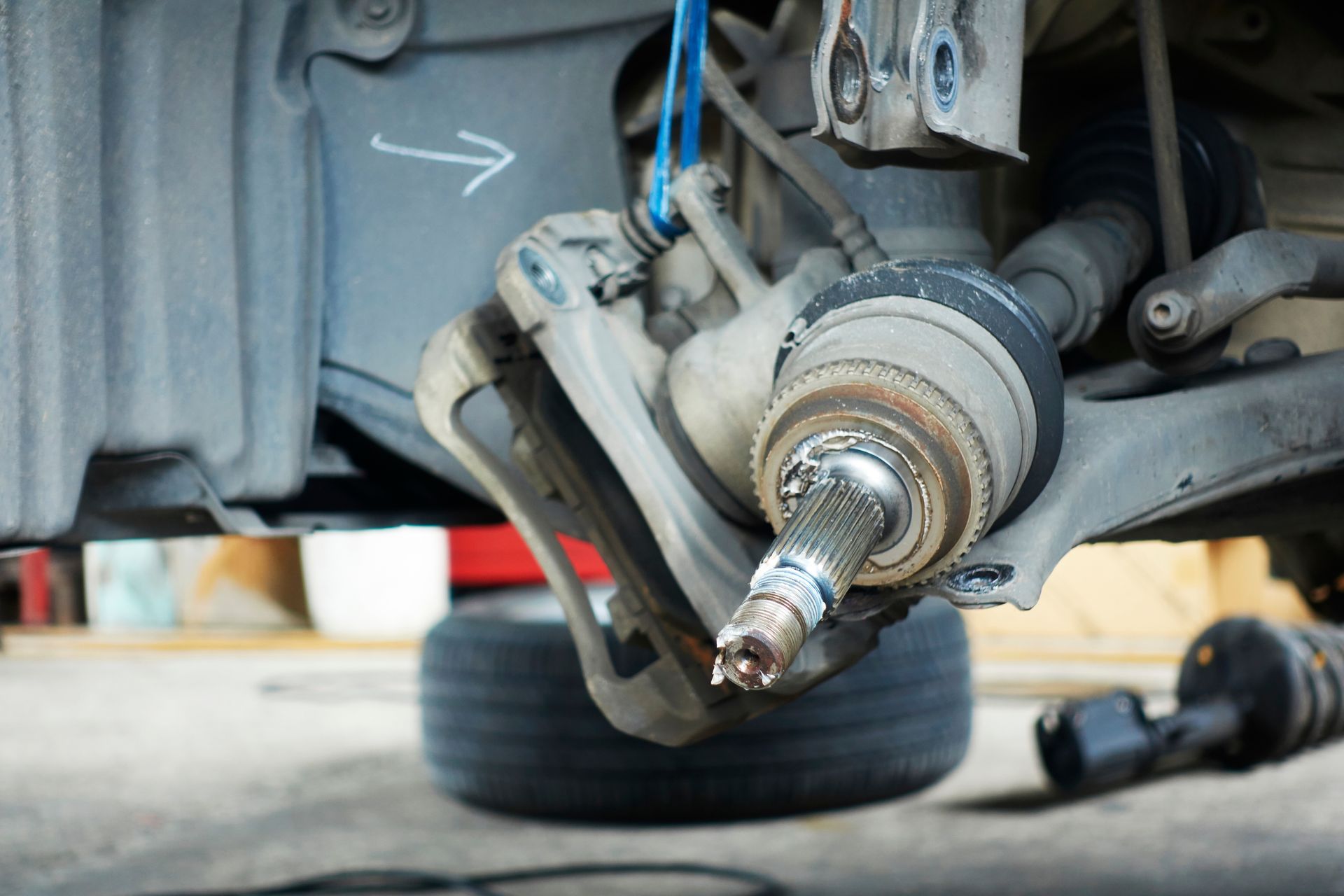
Ball joints and control arm bushings locate the wheel and keep it tracking straight under load. When a bushing tears or a joint develops play, the wheel can shift backward, forward, or side to side as you hit bumps or brake. That movement can feel like steering looseness even if the steering rack itself is fine.
This problem often shows up as a car that feels stable on smooth roads and sloppy on rough pavement. You might also notice a dull knock when braking or accelerating from a stop. If the looseness is worse when you’re transitioning on and off the throttle, suspension bushings deserve a close look.
Steering Rack Or Mounting Wear
If the steering rack is worn internally or if the rack mounts are loose, the rack can move slightly before it moves the wheels. That delay feels like slack in the steering wheel. In some cases, you’ll hear a knock from the front end when you turn the wheel quickly left and right at low speed.
Rack issues can also feel inconsistent. The steering might feel tighter in one direction than the other, or it may feel vague around the center but firmer as you turn farther. Regular maintenance inspections help here because catching looseness early can prevent extra stress on other components.
Power Steering Problems That Reduce Assist Control
Hydraulic power steering relies on the correct fluid level and a pump that can build steady pressure. If fluid is low due to a leak, steering can feel inconsistent and sometimes heavier at low speed, then slightly odd or twitchy as assistance comes and goes. Air in the system can also cause a foamy feel and noise, and it can make the steering feel less settled.
Electric power steering has different failure points, but the driver sensation can overlap. A weak assist motor, a torque sensor issue, or low system voltage can change steering effort and make the wheel feel less connected. The key detail is whether the steering feel changes with engine RPM, temperature, or when electrical loads are on.
Alignment, Wheel Bearings, Or Worn Dampers
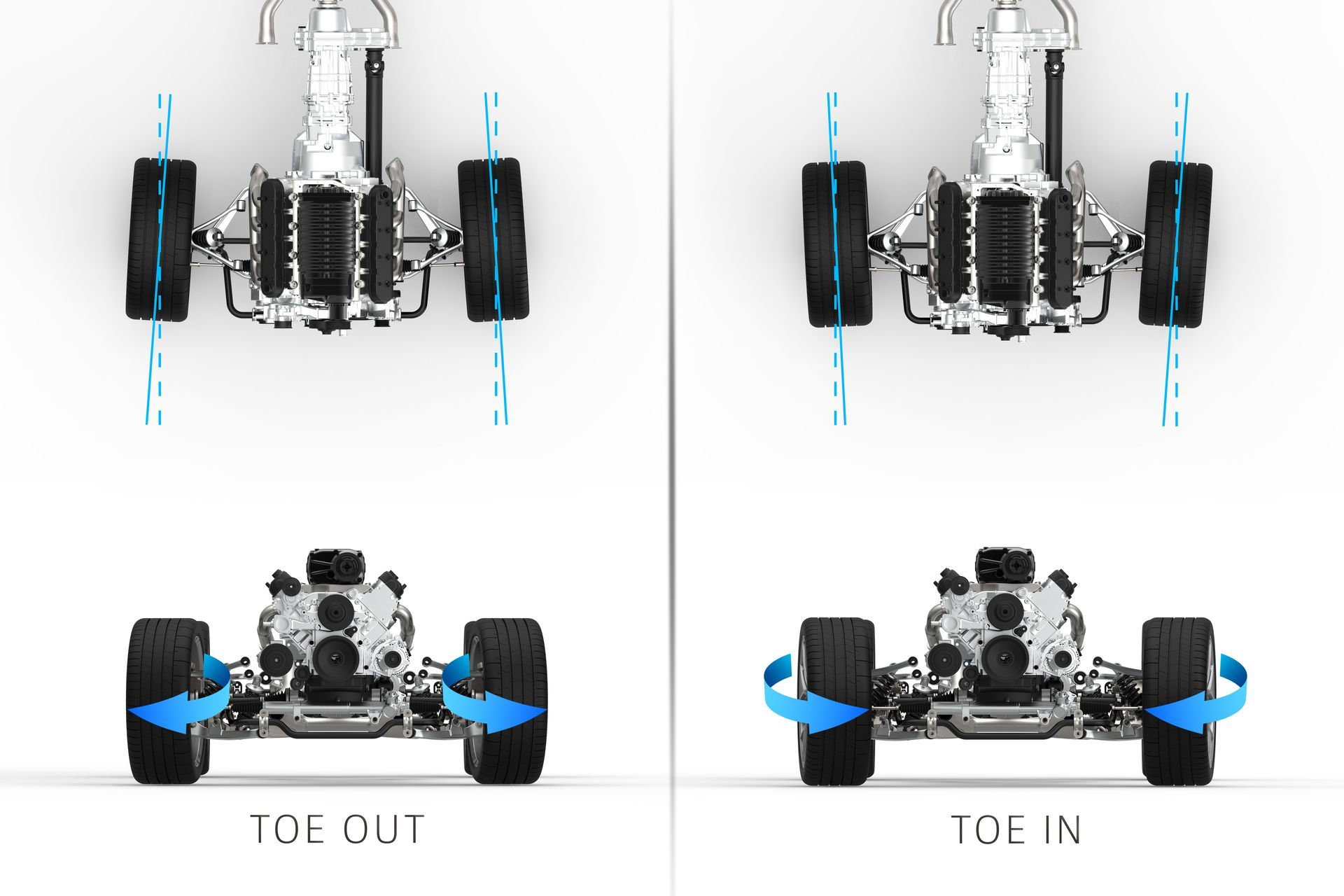
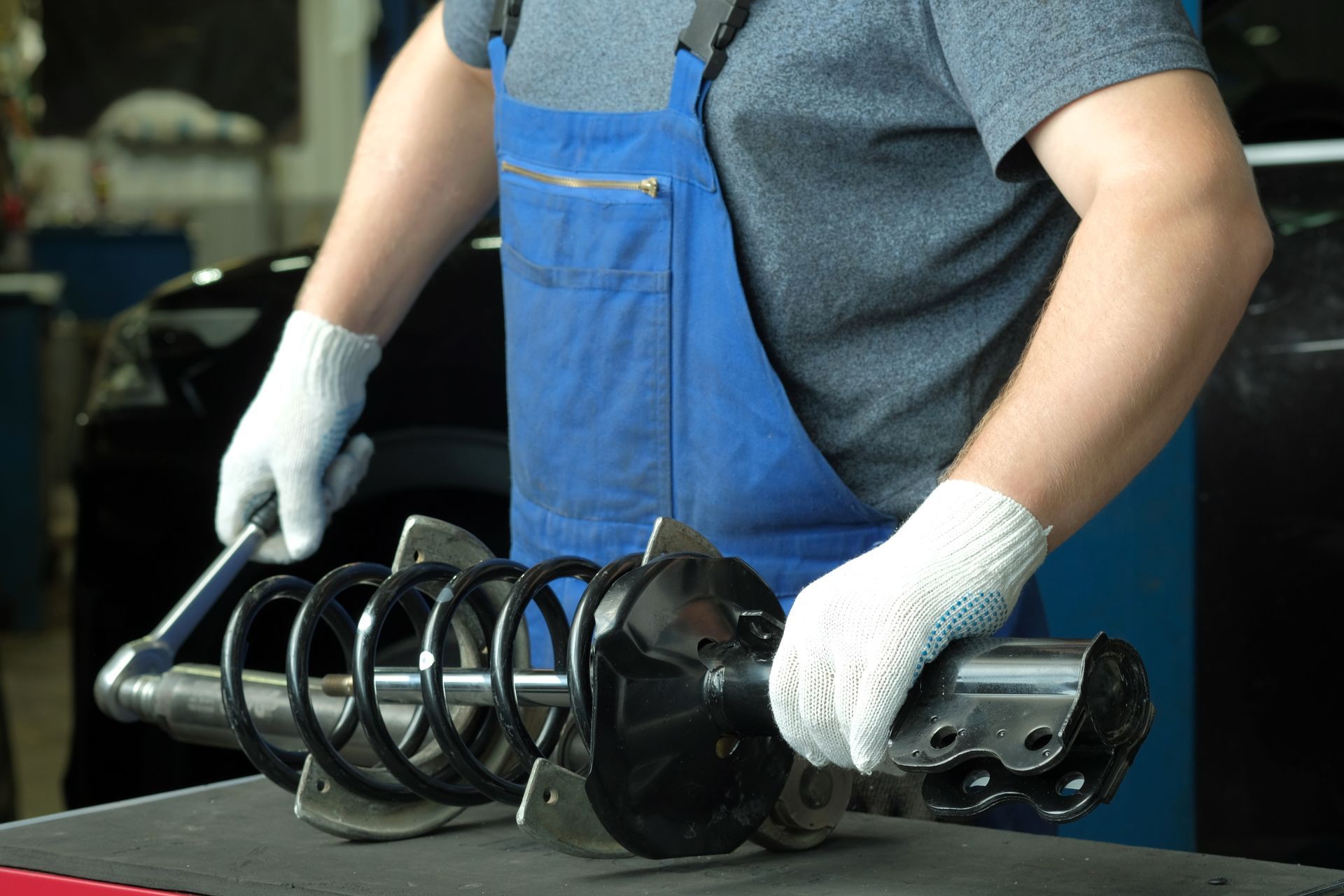
Alignment problems can create a loose feel without any real play in the steering parts. Excessive toe-out can make the car dart and chase grooves in the road, and caster differences can make it feel like the steering never wants to settle. Weak shocks or struts add to that, because the tire spends less consistent time planted on the pavement.
Wheel bearing play can also mimic steering looseness. A bearing with wear can allow tiny movement that shows up as vagueness or a light vibration, and it often gets worse with speed. If you want a quick set of clues to watch for, these tend to point toward alignment or bearing-related causes:
- Steering feels worse on highways than around town
- Tire wear looks uneven across the tread
- A humming noise rises with speed
- The car feels bouncy or unsettled after bumps
This is a good time to schedule an inspection, because these issues are easiest to confirm on a lift with the wheels unloaded.
Get Steering Repair In Gaithersburg, MD With General Automotive Servicenter
If your steering feels loose, schedule service with General Automotive Servicenter in Gaithersburg, MD, and we’ll check the steering and suspension for the exact source of play and the wear pattern that caused it. We’ll also verify tire condition and alignment so the fix actually matches what you’re feeling.
You’ll get a car that tracks straight and feels confident again.