Rush hour on I-270 and I-495 can feel more like a rolling parking lot than a normal commute. You get stop-and-go traffic, sudden lane changes, drivers diving for exits, and the occasional breakdown sitting on the shoulder at the worst possible spot.
When traffic stacks up around you like that, a few smart habits make a huge difference in how safe and calm the drive feels.
Why Rush Hour on I-270 and I-495 Feels So Intense
Those two highways carry a mix of commuters, trucks, and drivers unfamiliar with the area, all crowding into the same lanes during the same hours. You have people trying to reach the same big interchanges, others fighting to get over for local exits, and plenty of drivers who are already stressed before they even start the car. Add in variable speed limits, weather, and occasional construction, and conditions can change from 60 miles per hour to a dead stop in a few hundred feet.
That constant speed swing is where a lot of close calls happen. The more you can look far ahead, keep a generous space cushion, and resist the urge to “keep up” with an aggressive pack, the smoother your own drive will be. From a safety standpoint, the goal is to stay predictable so other drivers can tell what you are about to do.
Planning Your Route Before You Hit the Beltway
A little planning before you merge into the mess takes a lot of pressure off once you are in it. Instead of relying only on the voice from the navigation app, zoom out and get a sense of:
- Which exits you actually need and how many lanes you will cross to reach them
- Where express lanes begin and end relative to your destination
- Alternate routes in case a major incident closes part of I-270 or I-495
If you already know you will need the right two lanes in a few miles, you can work over gradually instead of cutting across at the last second. It also helps to check traffic conditions before you leave, so you are not surprised by a backup that was visible on a map the whole time.
Lane Choices, Merges, and Interchanges That Catch Drivers Off Guard
Neither I-270 nor I-495 is a simple straight shot. You have left exits, merges from ramps that appear short, and spots where local and through lanes split suddenly. Those design quirks are where impatient lane changes and fender benders tend to pile up.
A few good habits in these areas include:
- Choosing a lane that matches your next few miles, not just the next half mile
- Signaling early so drivers around you can react smoothly
- Leaving a little extra space ahead of you when approaching big interchanges, since traffic may bunch up quickly
If you are unfamiliar with a specific interchange, easing off the throttle slightly and watching overhead signs early gives you time to get where you need to be without sudden moves. In heavy traffic, small, steady adjustments are safer than quick dives into tiny gaps.
Safe Following Distance and Speed in Stop-and-Go Traffic
On crowded highways, it is tempting to sit close to the bumper in front of you so nobody “steals” your spot. The tradeoff is that you have almost no time to react if that driver jumps on the brakes. A better approach is to keep a clear, visible gap and focus more on what is happening several cars ahead.
Think of the following distance as cheap insurance. If you leave a steady cushion, you can slow gently when brake lights appear up the line instead of stabbing the pedal. That smoother style reduces wear on your brakes, gives the driver behind you more time to react, and cuts down on the accordion effect that makes rush hour feel so jerky. Holding a steady, reasonable pace instead of racing to the next patch of open pavement also keeps stress levels lower inside the car.
Common Driver Mistakes in Heavy Beltway Congestion
A lot of the scary moments we see during rush hour come from the same handful of habits. Some of the most common are:
- Staring at the bumper in front instead of scanning far ahead and checking mirrors
- Diving across multiple lanes near an exit because the driver waited too long to get over
- Using the phone for texts, email, or scrolling while traffic is “barely moving anyway”
- Sitting in the blind spot of trucks or larger vehicles, where you are hard to see
Individually, each of these might seem small. Together, in tight traffic, they set up the situations where one sudden stop or lane change creates a chain reaction. Choosing to stay a little more patient, even when the drive feels slow, keeps you out of the pileups that start from those split-second choices.
What To Do If Your Car Acts Up in Rush Hour Traffic
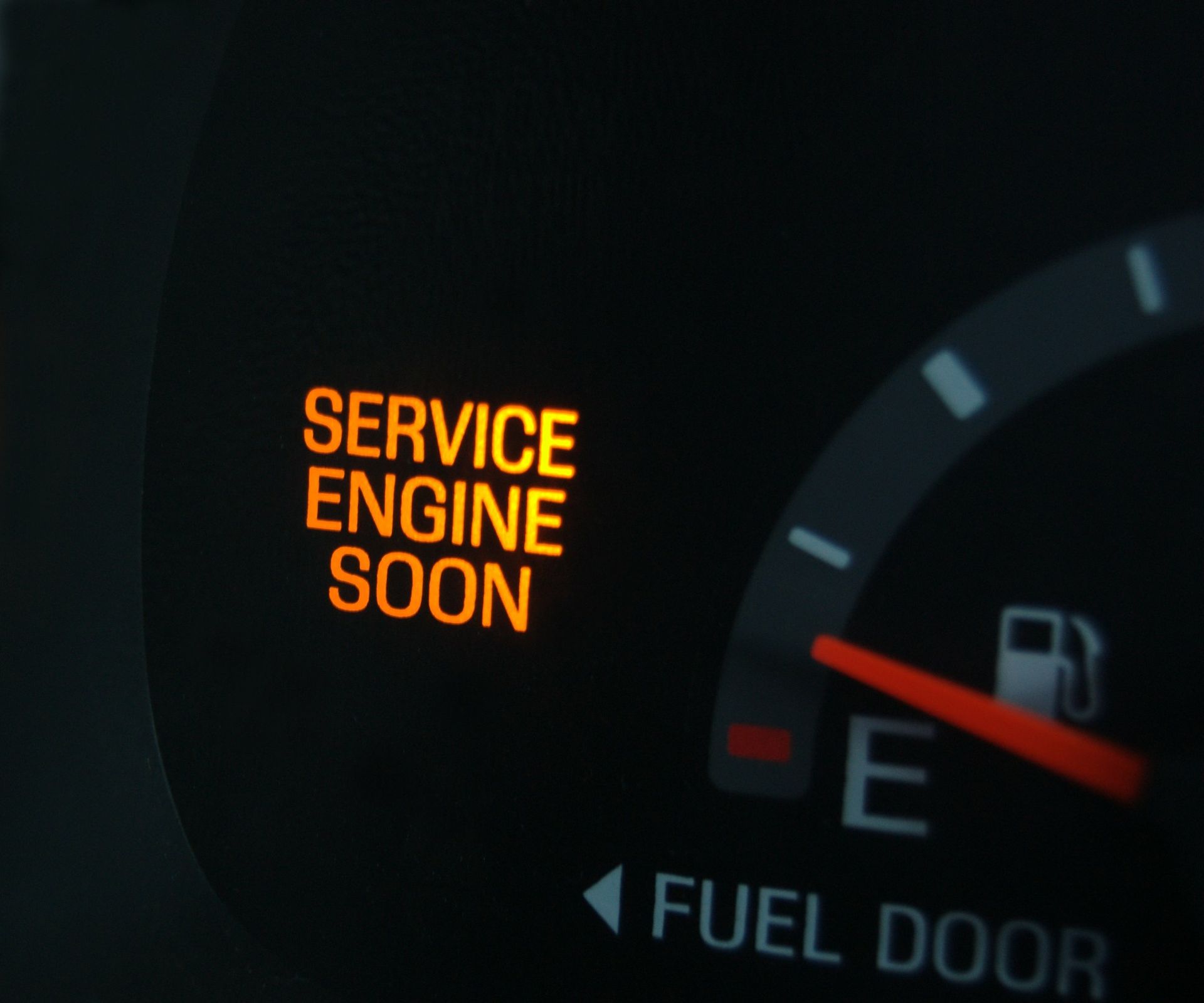
Mechanical problems always seem to pick the worst possible time, and rush hour on I-270 or I-495 certainly qualifies. If the car starts overheating, losing power, or showing a serious warning light, your first priority is to stay calm and signal early. Put on your hazard lights, ease your way toward the right lane, and aim for the nearest safe shoulder or exit where you can get fully out of the traffic flow.
Once you are safely off the main lanes, set out any reflective triangle or safety device you have and stay inside the vehicle if the shoulder is narrow. On these highways, traffic can pass close and fast, even during heavy congestion, so walking around the car is rarely a good idea. If the issue feels minor, you can note the symptoms for your next service visit.
If it feels serious, treating it as a reason to call for assistance is usually the safer, cheaper choice compared with trying to limp along and risking bigger damage.
Get Safe Rush Hour Driving Help on I-270 and I-495 in Gaithersburg, MD with General Automotive Servicenter
If your daily run on I-270 or I-495 has started to feel rough on your nerves or your vehicle, a focused safety and maintenance check can help. We can inspect brakes, tires, steering, and cooling systems so your car is better prepared for stop-and-go Beltway traffic.
Schedule a visit with
General Automotive Servicenter in Gaithersburg, MD, and we will help keep your commute as safe and predictable as possible.