A rattle that only shows up when you press the gas can be maddening. It’s loud enough to get your attention, but it disappears the moment you let off, which makes it hard to explain to anyone else.
The good news is that this on-and-off pattern usually narrows the suspects pretty quickly.
Why The Noise Shows Up Only Under Acceleration
When you accelerate, the engine and drivetrain twist slightly in their mounts. That movement changes clearances, so a part that barely clears at idle can tap or buzz when everything shifts under load.
At the same time, exhaust flow increases and the exhaust system vibrates more. That extra vibration can turn a loose heat shield or hanger into a very obvious rattle, especially at a specific RPM range.
Heat Shields And Exhaust Hangers That Buzz
Heat shields are among the most common causes because they are thin metal that rusts around their mounting points. The shield can sit quietly at idle, then buzz the instant exhaust vibration ramps up. It often sounds tinny, like a metallic flutter, and it may be louder in a narrow speed or RPM window.
Exhaust hangers can cause a deeper rattle. If a rubber hanger tears or a bracket cracks, the exhaust can swing slightly and tap a crossmember or underbody area when you accelerate. We see this a lot after rough-road seasons, because potholes and vibration speed up hanger wear.
Loose Underbody Panels And Splash Shields
Underbody panels and splash shields can rattle under acceleration even if they look fine at a glance. A missing fastener can let a panel flap and tap when the drivetrain loads up, or when airflow shifts under the car. It can sound like an exhaust issue, even though it is plastic contacting metal.
This is common after oil services or after road debris hits. The panel might only move when the car is accelerating, which is why it can feel completely normal while cruising.
Catalytic Converter And Muffler Rattles
If the rattle sounds like something loose inside a can, the catalytic converter or muffler could be involved. Internal baffles and the materials inside these components can break loose with age, impact damage, or a history of overheating. When you press the gas, the exhaust flow increases, and the loose material rattles more.
This type of rattle often shows up as a repeating buzz through a certain RPM range. It may also be louder during gentle acceleration than during hard acceleration, which surprises people. The sound is real either way, and it is worth checking before it turns into a leak or a performance complaint.
Engine Mount Movement And Drivetrain Clunks
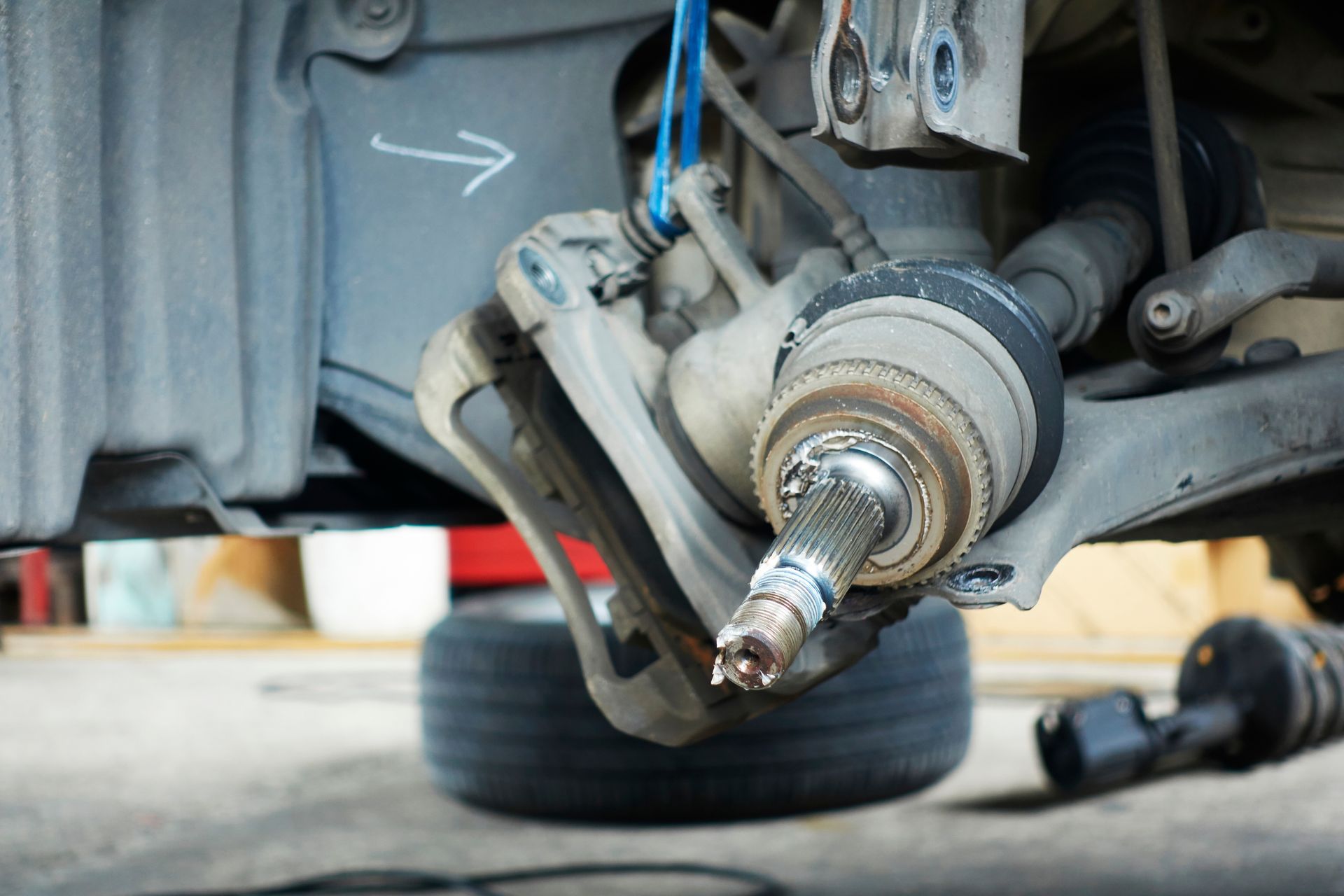
Not every acceleration rattle is exhaust-related. Worn engine or transmission mounts can allow extra movement, which can cause parts to touch that should never touch. The noise can be a dull rattle, a clunk, or a tap that happens right when you get on the throttle or right when you lift.
Mount issues often come with other clues, like a thump when shifting into Drive or Reverse, or a feeling that the drivetrain lags and then catches up. Staying on top of regular maintenance helps here because mount wear usually shows up gradually before it becomes a loud, repeatable knock.
Quick Checks To Narrow Down The Source
You do not need to crawl under the car to gather useful clues. The goal is to notice patterns that help a technician find the exact contact point faster during an inspection.
Here are a few things worth noting:
- Does it happen only when accelerating, or also when revving in Park?
- Is it louder cold, or louder once the car is warm?
- Does it happen at one RPM range every time?
- Did it start after a pothole hit, road debris, or recent service?
If the rattle comes with a loss of power, a strong exhaust smell, or a new warning light, move it up your priority list. Those combinations can point to an exhaust leak or restriction rather than a simple loose shield.
Get Exhaust Repair In Gaithersburg, MD, With General Automotive Servicenter
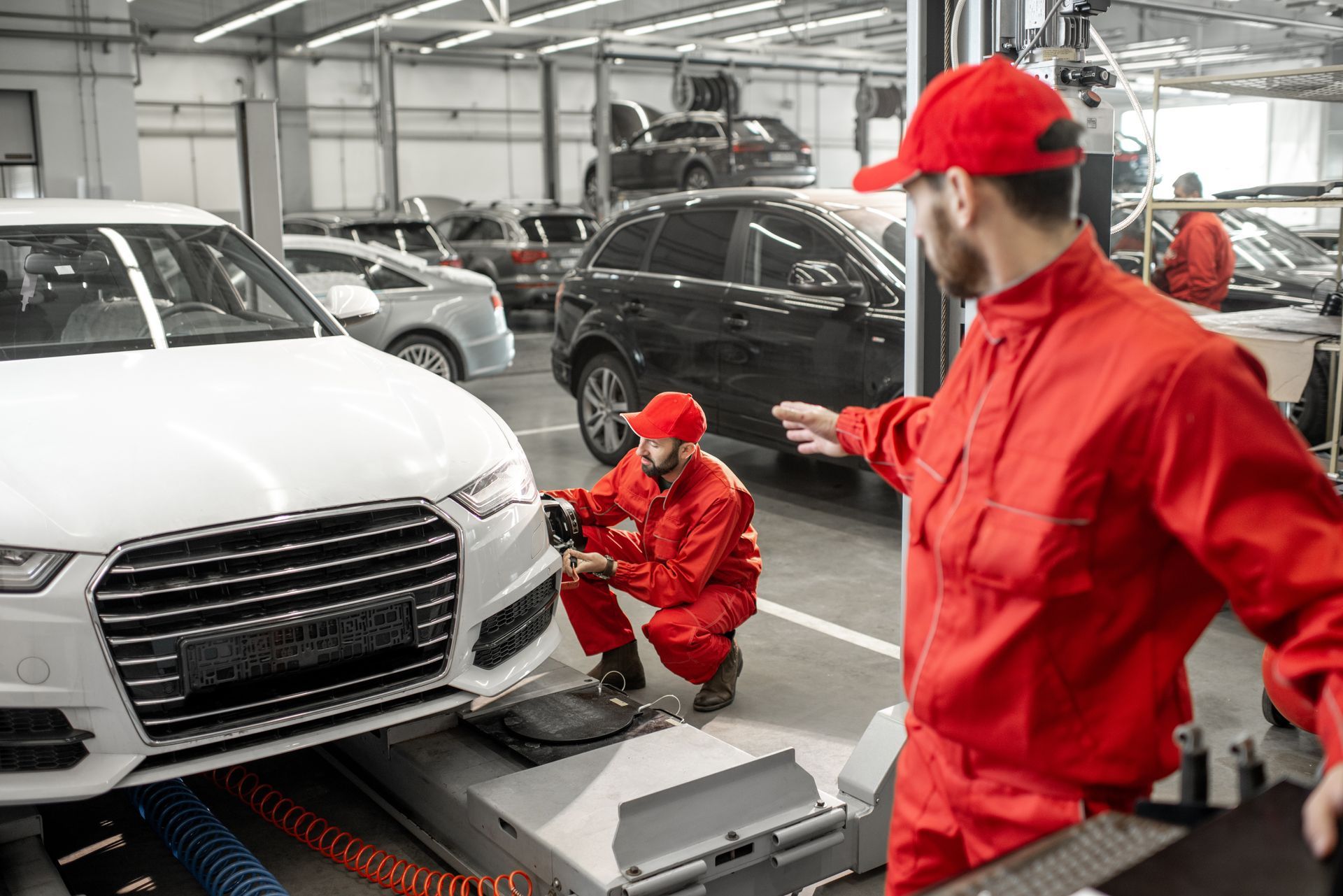
If your car rattles when you accelerate, General Automotive Servicenter in Gaithersburg, MD, can pinpoint whether it’s a loose shield, hanger, panel, or an internal exhaust rattle and recommend the right fix. We’ll show you what’s safe to monitor and what should be handled soon.
Set up a time and get back to a quieter drive.